Real-time marine intelligence for the world's largest LNG export terminal.
A single day of downtime costs millions. Global supply chains feel every event.
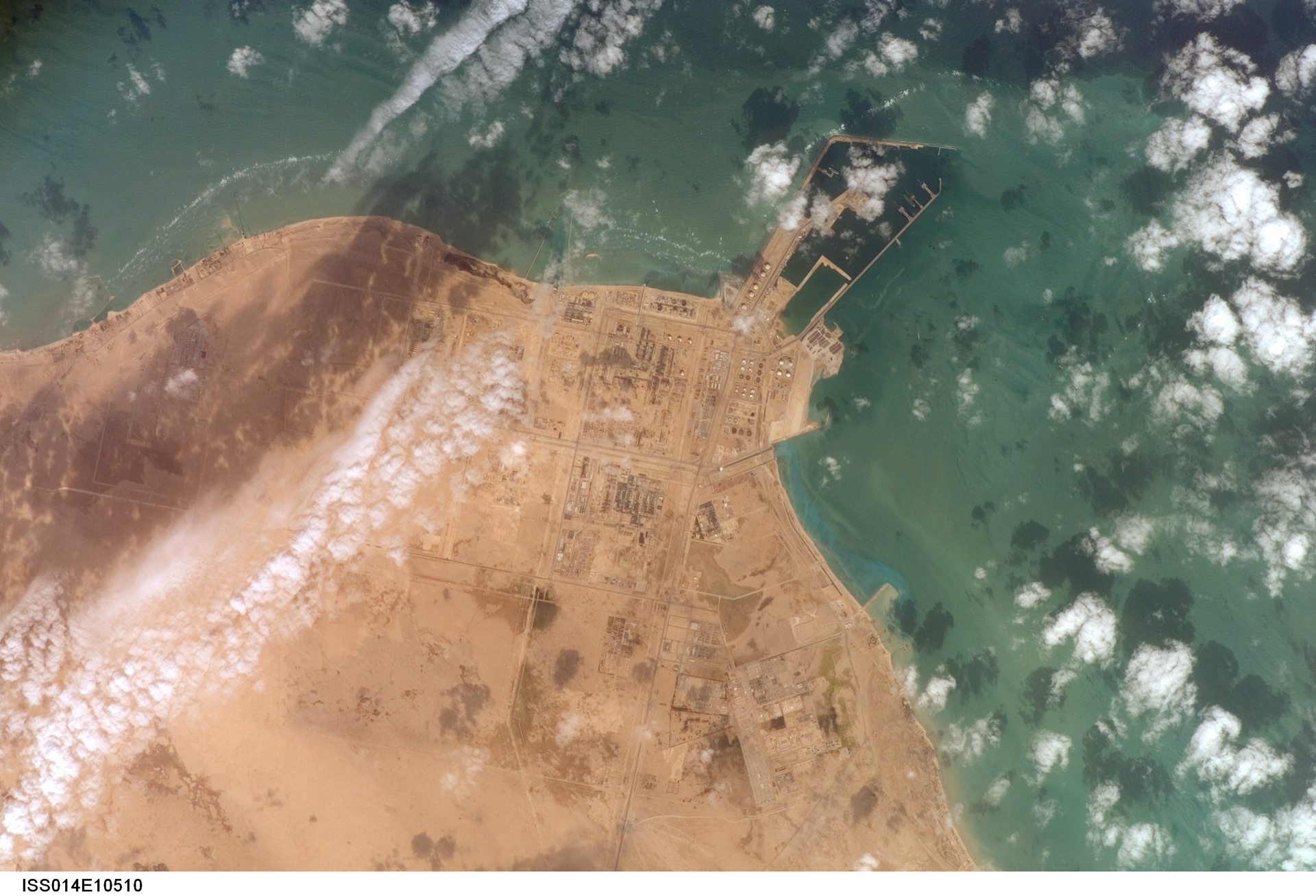
Ras Laffan Industrial City is home to the world's largest LNG export facility, handling approximately 77 million tonnes per year. When loading operations pause — whether for sea state, sediment, water quality or equipment — the costs accumulate fast: demurrage fees, delayed shipments, contractual penalties, and ripple effects through global energy supply chains.
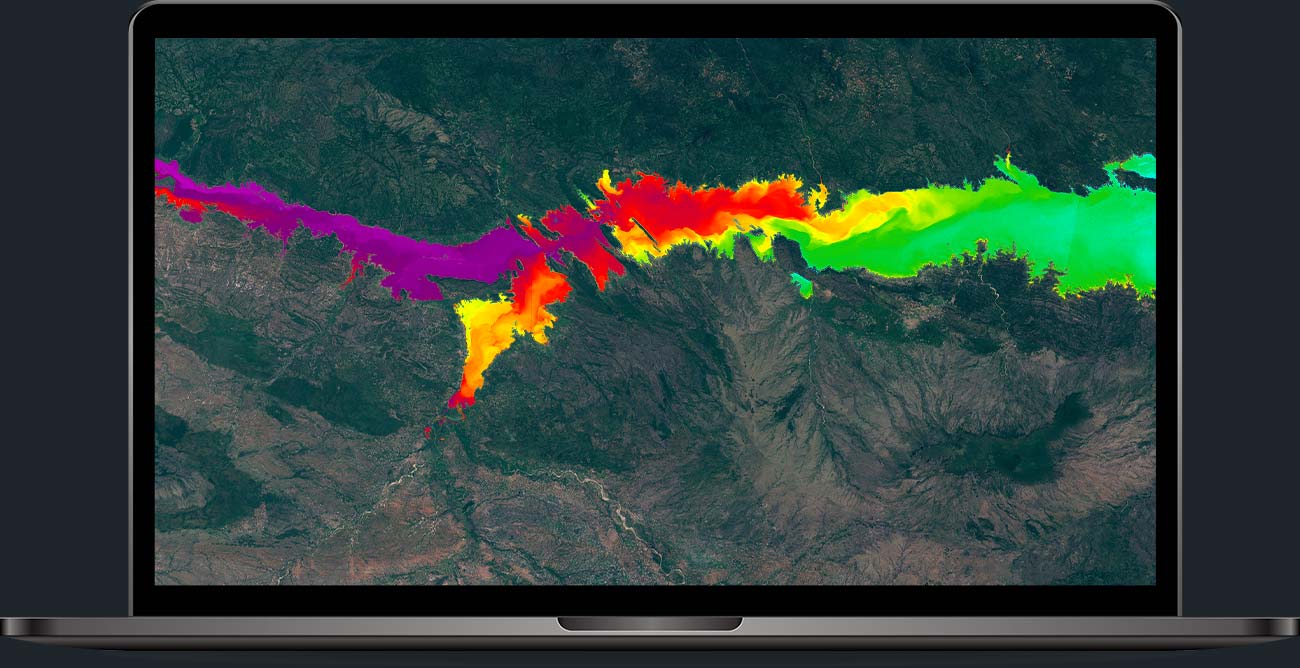
The operational reality: the Persian Gulf is shallow, hot, and saline. Sea state can deteriorate quickly. Sediment plumes from regional weather and currents can affect water-intake systems. Hazardous events — including oil-spill exposure — demand immediate detection and response.
Qatargas needed continuous, predictive marine intelligence across the port's operational footprint — not just reactive monitoring after events had already begun.
A three-buoy oceanographic network. 24/7. Predictive analytics.
Strategically positioned across the port environment to capture wave height, current speed and direction, water-quality parameters and seabed conditions in real time.
Oceanographic, meteorological and geotechnical sensors stream into a single dashboard, giving the operations team one source of truth for every loading decision.
Forecasts of wave/current/quality conditions enable LNG loading operations to be scheduled around optimal weather windows — instead of reacting to deteriorating conditions in the moment.
The early-warning capabilities transformed the port's operational posture. Potential oil-spill events, hazardous sea conditions and emerging equipment risks can be detected before they cascade into million-dollar disruptions — supporting regulatory compliance and environmental safety simultaneously.
A new industry benchmark for port operational intelligence.
Could this work at your port?
SEAWATCH® supports ports, harbours, terminals and dredging operations with continuous oceanographic intelligence. 30-minute discovery call.