Three decades of harmful algal bloom monitoring for the Norwegian aquaculture sector.
A single bloom can wipe out a season. By the time you see it, it's too late.
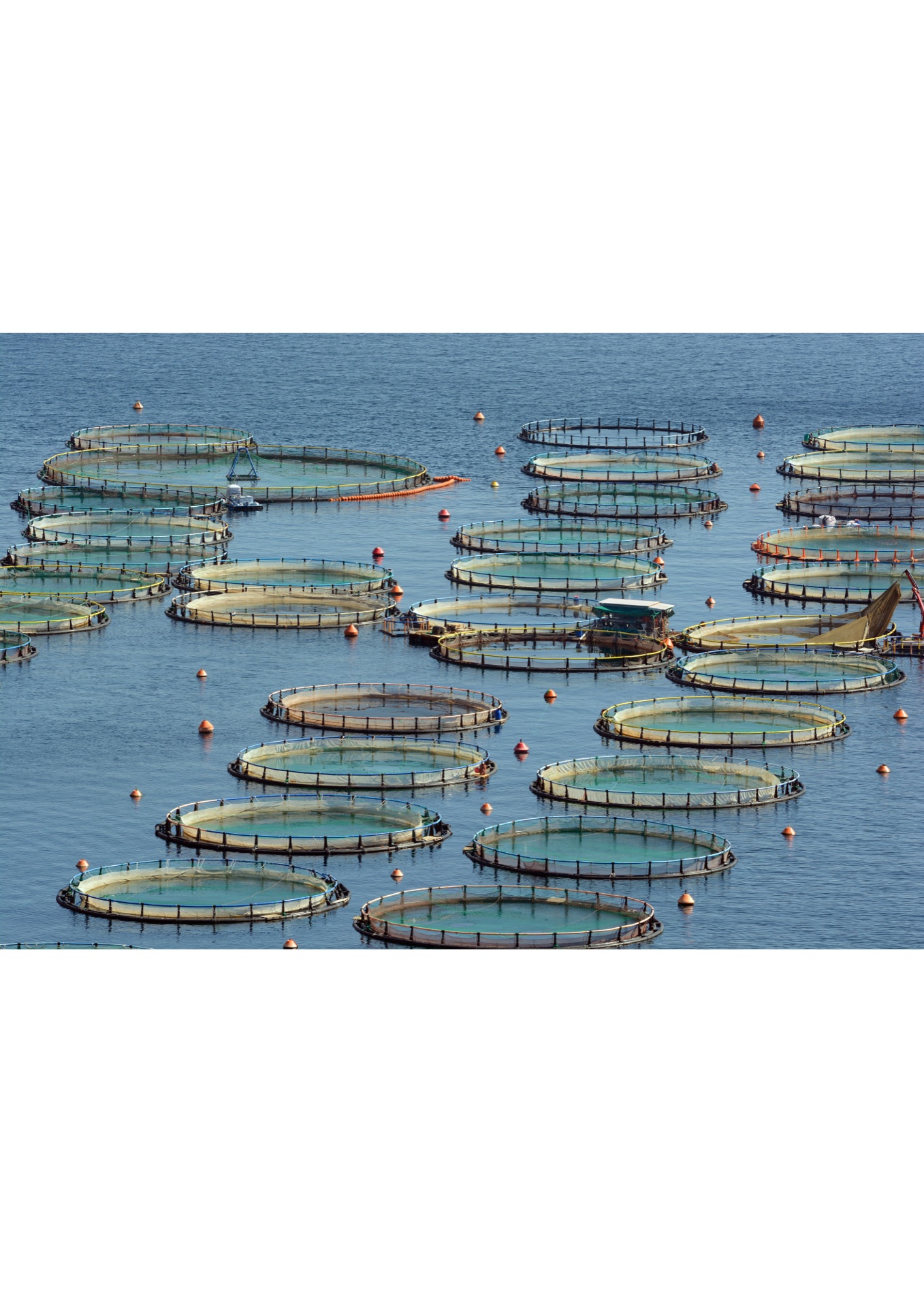
Norwegian aquaculture is a €10B+ industry that feeds millions and employs tens of thousands along a 2,400 km fjord-rich coastline. It is also one of the world's most exposed industries to harmful algal blooms — single events have wiped out entire harvests in 24 hours.
A single harmful bloom can cost €50–200 million per event — losses that unfold in days. Early events shaped the industry's understanding that manual sampling alone is insufficient, and that detection had to get ahead of the bloom.
The forecasting challenge: detect toxic blooms before they reach the pens, with enough lead time to activate mitigation — bubble curtains, feed reduction, oxygenation, or in extreme cases pre-emptive harvest.
A nationwide multi-sensor network, built and refined over three decades.
40+ coastal monitoring stations along the Norwegian coastline collected weekly phytoplankton samples — tracking algae species, chlorophyll, oxygen and temperature.
Real-time multi-sensor buoy networks operated 24/7, with over 100 sensors deployed near farm sites streaming live data to the SEAWATCH® dashboard. Multi-sensor fusion distinguished genuine algal threats from harmless sediment.
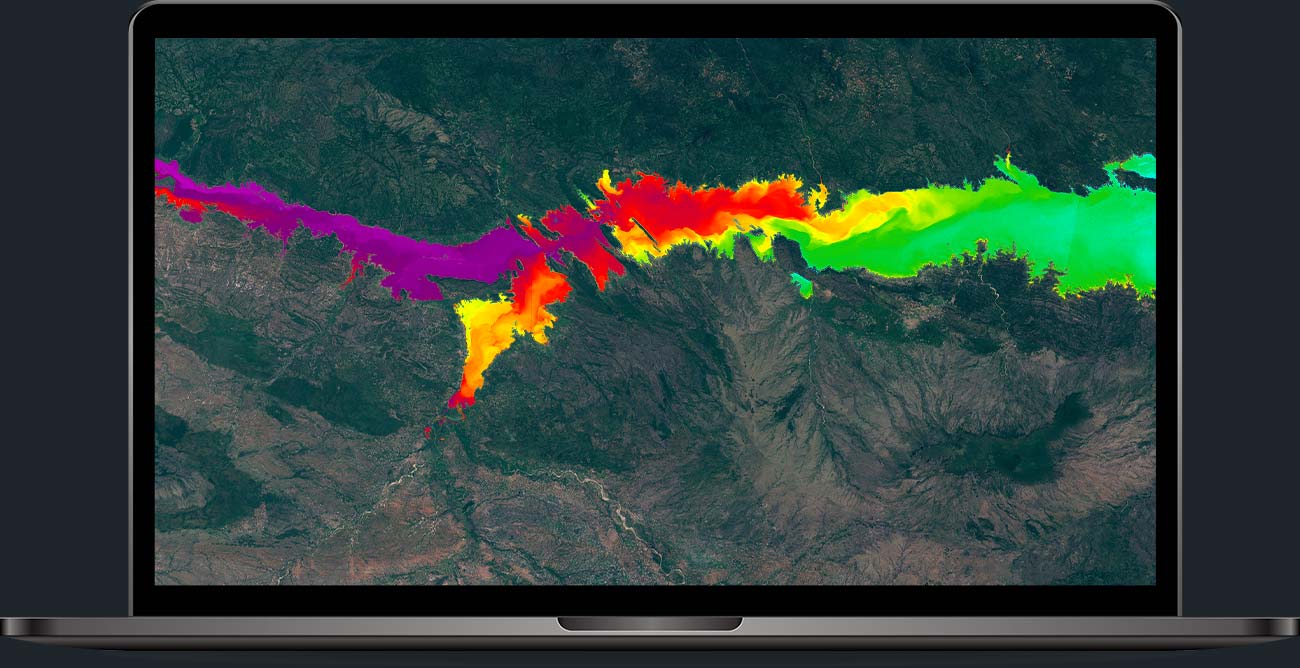
Oceanographic models combined in-situ, satellite and atmospheric inputs to project bloom propagation up to 72 hours ahead of farms.
Cheaper systems can detect "something" in the water — but a false positive carries real cost (unnecessary feed reduction, premature harvest). The integrated approach combined optical, biological and oceanographic signals so caution was only raised for genuine threats. Daily monitoring covered 10–20 fish farms, with over 1,000 biological samples analysed each year.
72-hour bloom warnings. An estimated €30M saved during a major bloom.
Want this level of protection at your farm sites?
SEAWATCH® delivers HAB and water-quality forecasting wherever your farms operate. 30-minute discovery call, no commitment.