Enhancing offshore asset safety with soliton early warnings.
Internal waves you can't see — that can break what you can.
The Andaman Sea is one of the world's most active regions for internal solitons — large-amplitude subsurface waves generated by tidal interaction with steep bathymetry. They travel hundreds of kilometres at depth, invisible from the surface, and can produce strong sub-surface currents that suddenly load mooring lines, drilling risers and subsea infrastructure.
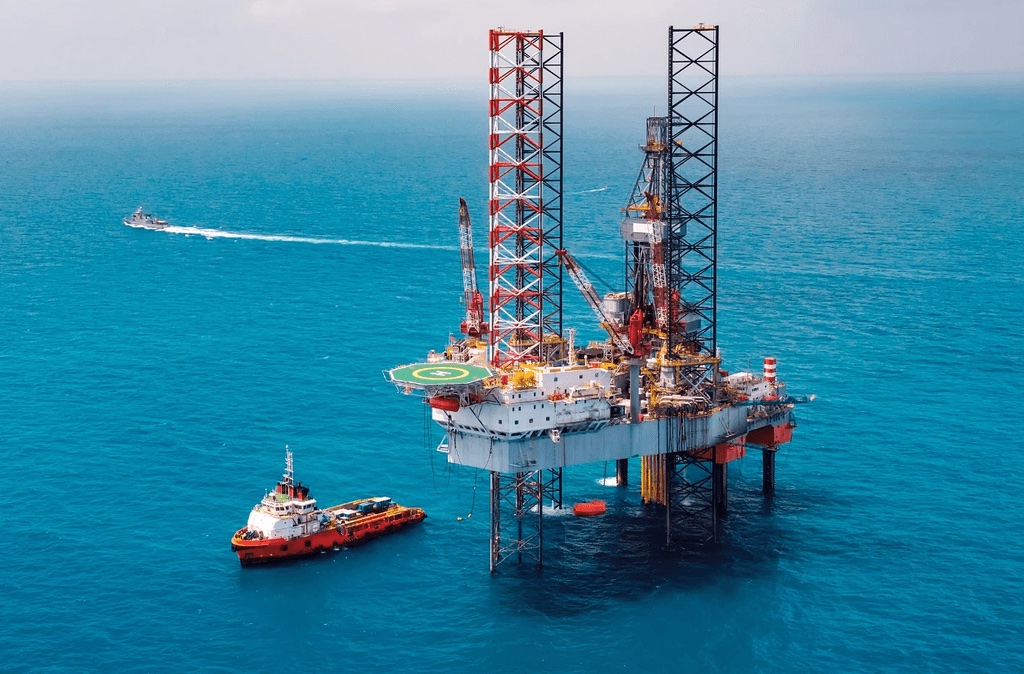
For ENI Krueng Mane's offshore operations, the issue wasn't whether solitons would arrive — it was when. Without advance warning, every event was a reactive scramble: pause sensitive operations, reposition equipment, hope nothing was damaged.
The forecasting challenge: detect solitons while they are still propagating through the basin, days before they reach the asset.
Continuous monitoring + propagation modelling.
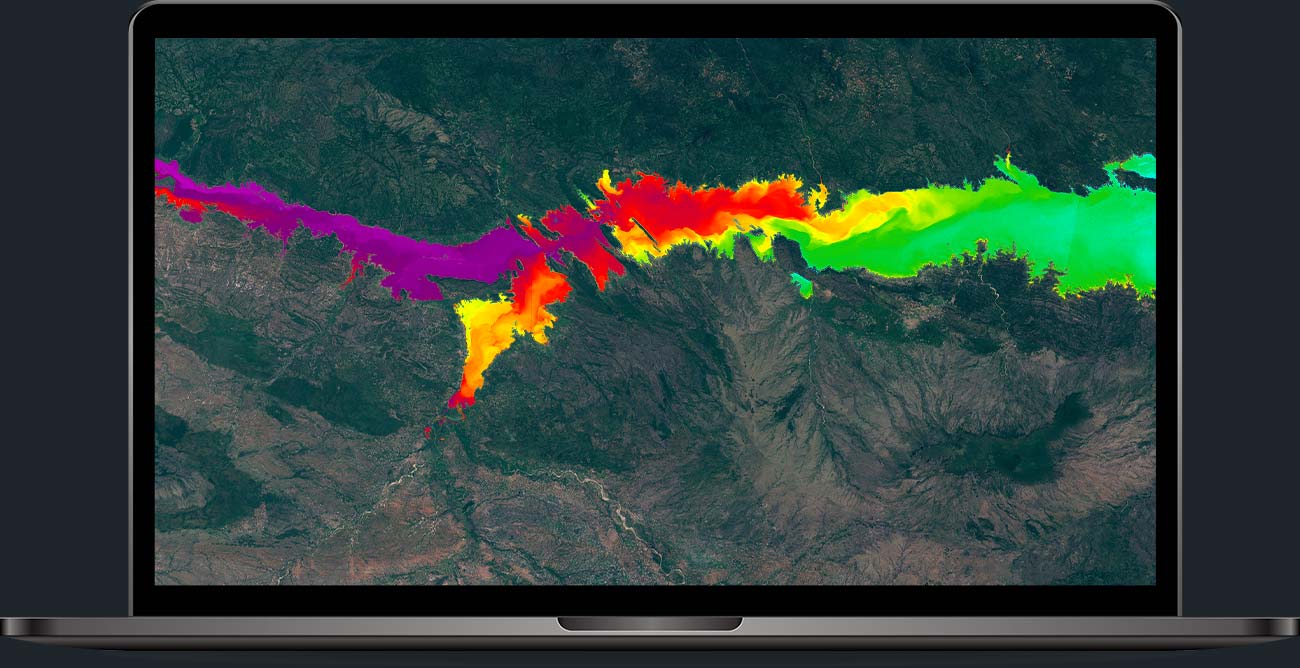
Satellite imagery and remote-sensing detected solitons being generated at known source regions in the Andaman Sea, hundreds of kilometres from the asset.
Custom oceanographic models projected each wave packet's track and arrival time at the ENI asset, accounting for local bathymetry and stratification.
Dashboards and email/SMS alerts gave operations teams the lead time to pause sensitive activities and protect equipment before each soliton arrived.
From reactive scramble to predictive operation.
Operating offshore? Marine intelligence shouldn't be optional.
Solitons, marine heatwaves, sediment events — every offshore asset has a marine challenge. 30-minute discovery call.
Book a meeting